5 Reasons Your Tesla or EV Brakes Are Squealing — And What Raleigh Drivers Should Know
Your EV is whisper-quiet — so when the brakes squeal, you notice. Here’s what’s actually going on.
1. Your EV’s Regenerative Braking System Isn’t Using the Friction Brakes Enough
One of the main reasons EV brakes squeal is something that rarely happens in gasoline vehicles: the brakes are not being used enough.
Electric vehicles rely heavily on regenerative braking. When you lift your foot off the accelerator, the electric motor helps slow the vehicle down while sending energy back to the battery. This improves efficiency and extends driving range.
Because regenerative braking does most of the slowing, the traditional brake pads and rotors may go long periods without heavy use.
That sounds great in theory, but it can create problems.
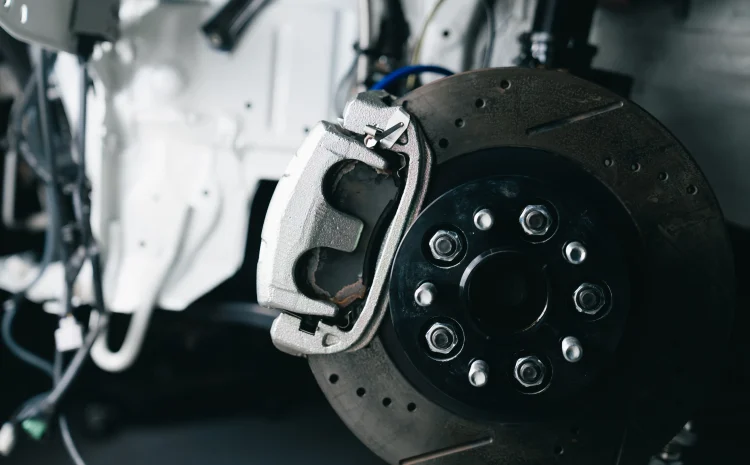
When friction brakes sit unused for extended periods, moisture, surface rust, and debris can build up on the rotors. Over time, this causes squealing, grinding, or scraping noises when the brakes finally engage.
This is especially common in humid climates or after rainy weather. Even overnight moisture can leave a thin layer of rust on the brake rotors.
Signs this may be the issue include:
Squealing mostly during the first few stops
Noise after the car sits overnight
Brakes that feel normal despite the noise
Light surface rust visible on the rotors
Fortunately, this problem is often easy to resolve.
A technician may recommend a brake burnishing procedure, which involves intentionally using the friction brakes to clean the rotor surfaces and restore proper pad contact. Many Tesla models and other EVs benefit from periodic brake cleaning and lubrication for this exact reason.
At Duro EV, brake hardware inspection and lubrication are part of preventative EV maintenance because regenerative braking changes how these systems wear over time.
2. Moisture and Corrosion Are Building Up on Brake Components
Electric vehicles tend to accumulate corrosion on braking components faster than many drivers expect.
Again, regenerative braking plays a major role here. Since the friction brakes are used less frequently, moisture has more time to settle on metal surfaces without being scrubbed away through regular braking.
Brake squealing caused by corrosion is especially common in:
Coastal regions
Humid environments
Areas with frequent rain
Locations where road salt is used
Vehicles driven infrequently
Over time, corrosion can affect:
Brake rotors
Brake pad backing plates
Caliper hardware
Slide pins
Parking brake components
Tesla owners sometimes notice this after leaving the vehicle parked for several days. The first few braking events may produce loud squealing or grinding sounds until the rust clears away.
However, persistent corrosion should not be ignored.
If corrosion becomes severe, it can lead to uneven brake wear, sticking calipers, reduced braking performance, or premature rotor damage.
Warning signs that corrosion may be more serious include:
Constant squealing
Pulsation while braking
Visible rotor pitting
Uneven braking feel
One wheel producing more noise than others
Professional brake inspections are important for EVs because some corrosion issues develop quietly before they become major repairs.
Experienced EV technicians understand the unique maintenance needs of regenerative braking systems and know how to properly inspect Tesla brake hardware, electric parking brakes, and EV-specific components.
3. Brake Pads Are Glazed or Contaminated
Brake pads can sometimes develop a hard, glossy surface called glazing. When this happens, the pads lose some of their ability to grip the rotors smoothly, which often creates squealing noises.
Glazing can occur for several reasons:
Excessive heat
Sudden hard braking
Infrequent brake usage
Improper break-in procedures
Low-quality brake materials
Contamination is another common issue. Dirt, moisture, road grime, brake dust, or even small amounts of lubricant can affect the pad surface and create squealing sounds.
Because EVs are heavier than many traditional vehicles due to battery weight, their braking systems operate under unique loads and temperatures. That means brake pads must be properly matched to the vehicle and installed correctly.
If contaminated or glazed pads are ignored, you may eventually notice:
Reduced braking performance
Vibrations
Increased stopping distances
Uneven rotor wear
In some cases, the pads can be resurfaced or cleaned. In others, replacement is the better option.
This is where specialized EV service matters. Not every repair shop understands how Tesla and EV braking systems differ from conventional vehicles. Proper diagnostics are critical before replacing parts unnecessarily.
At Duro EV, technicians use advanced EV diagnostics and real-world experience working on Tesla, Rivian, hybrid, and electric platforms to identify the actual cause of brake noise instead of guessing.
4. Your Brake Hardware Needs Inspection or Lubrication
Brake squealing is not always caused by the pads or rotors themselves. Sometimes the noise comes from the surrounding hardware.
Modern EV braking systems include multiple moving components:
Caliper slide pins
Anti-rattle clips
Brake shims
Springs
Electric parking brake assemblies
If these parts become dry, worn, loose, or corroded, squealing noises can develop.
Tesla vehicles, in particular, benefit from regular brake hardware lubrication because regenerative braking reduces natural brake movement. Without regular maintenance, hardware components may seize or stick over time.
A sticking caliper slide pin can cause one brake pad to drag against the rotor continuously, generating heat and noise. Similarly, worn anti-rattle clips may allow excessive vibration that creates squealing sounds during braking.
This type of issue often produces symptoms such as:
Squealing at low speeds
Noise while lightly braking
Intermittent chirping sounds
Uneven pad wear
Brakes that feel grabby or inconsistent
Routine brake inspections are one of the best ways to prevent these problems before they become expensive repairs.
EV owners sometimes assume their brakes require little maintenance because regenerative braking reduces wear. While brake pads may last longer, the hardware still needs periodic service to stay in proper condition.
That’s why experienced EV repair shops recommend preventative brake maintenance instead of waiting for symptoms to worsen.
5. Your EV Actually Needs Brake Repairs
Sometimes squealing brakes really do mean it is time for repairs.
Although EV brake pads often last much longer than those on gasoline vehicles, they still wear out eventually. Heavy driving, mountain roads, stop-and-go traffic, aggressive braking, or towing can accelerate wear.
Over time, worn brake pads expose wear indicators that intentionally create squealing noises to alert the driver.
Ignoring these warnings can lead to:
Rotor damage
Reduced stopping power
Higher repair costs
Unsafe driving conditions
If the pads wear down completely, metal backing plates may contact the rotors directly, causing grinding noises and severe rotor damage.
Signs your EV may genuinely need brake repairs include:
Persistent squealing that does not go away
Grinding sounds
Longer stopping distances
Brake warning lights
Pulsation while braking
Visible thin brake pads
Pulling while braking
Electric vehicles are heavy, fast, and capable of rapid acceleration. That makes healthy brakes absolutely essential for safety.
The challenge is that many general repair shops are still learning how to properly service EVs. Tesla braking systems, electronic parking brakes, regenerative braking integration, and EV diagnostics require specialized knowledge and tools.
Working with an experienced EV repair facility helps ensure repairs are done correctly the first time.
Work With EV Specialists
Hearing something? Don’t wait — brake noise on an EV can mean anything from overnight surface rust to a worn pad that needs attention today.
As Raleigh’s trusted independent Tesla repair and EV service shop, Duro EV provides expert diagnostics, brake inspections, maintenance, and repairs for Tesla models and all EV brands. Their family-owned team delivers honest guidance, transparent pricing, and specialized electric vehicle expertise that keeps your car road-ready for the long haul. Call today to schedule an inspection.